
I’ve spent years modelling RNG sequences and volatility curves for Easygo Gaming, and the same principle keeps coming up: a small bankroll doesn’t need a miracle, it needs a discipline that survives variance. The right pokies strategy for small bankroll play is mostly about matching bet sizes to hit frequency, understanding which return-to-player figures actually matter over a session, and knowing when a venue’s ongoing promos are doing the heavy lifting versus when they’re just dressing up a high-variance loop. Below is a decision guide built around the questions you should weigh before you drop a single credit.
What Your Bankroll Actually Needs to Survive a Session
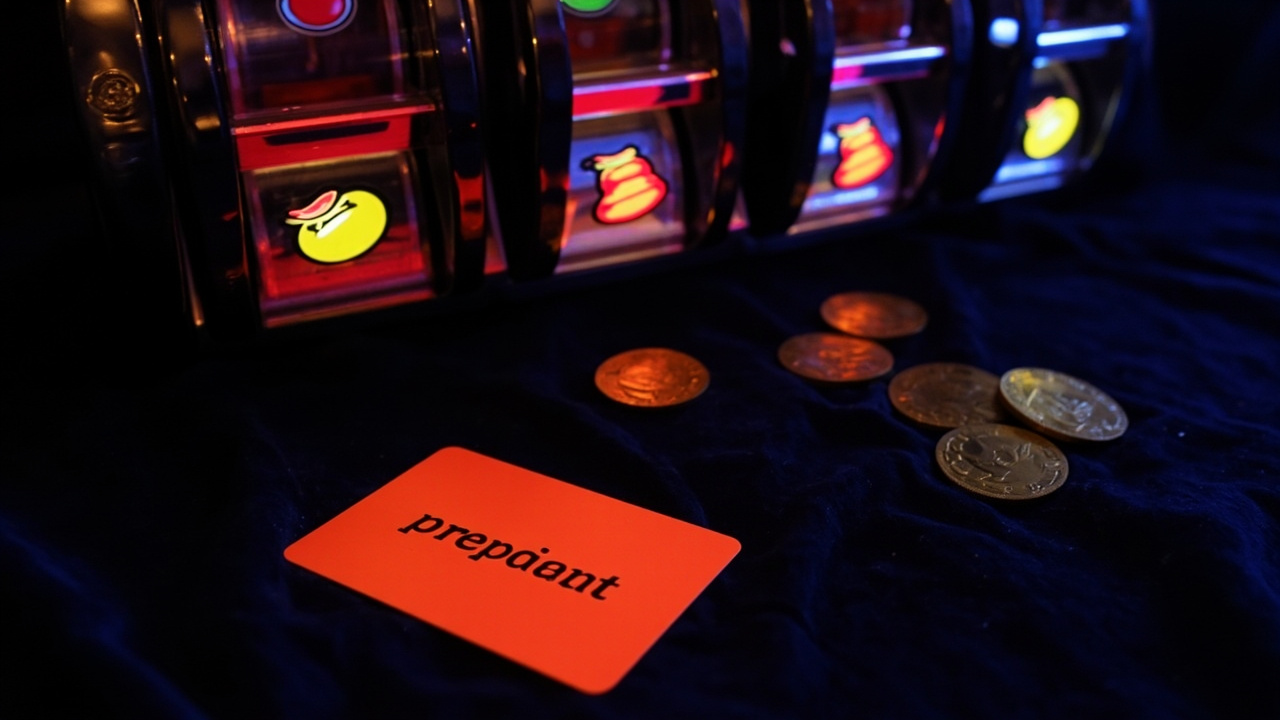
Start by treating your bankroll as a finite run of spins, not a target to double. If you sit down with $60, the first question is how many bets you can afford before the session ends naturally. I usually run a quick simulation in my head: at $0.20 per spin, that’s 300 spins; at $0.50, it’s 120. Low-stake pokies with moderate volatility tend to give you more breathing room because the swings are less jagged, and you’re less likely to burn through a run of cold reels in ten minutes. Pick a game where the hit rate keeps you engaged without demanding a higher line count than you can justify. If a machine asks you to play five lines at $0.10 just to activate the base game properly, that’s $0.50 a spin and your 300-spin buffer drops straight back down. The maths doesn’t care how confident you feel; it only cares how many trials you’ve bought. I’ve seen players stretch a modest credit across a long arvo by capping their per-spin cost and walking away when the session budget is spent, which is a far more reliable approach than trying to recover a short run with bigger wagers.
Which Questions to Ask Before You Spin
Before you tap a button, weigh three practical questions that shape the rest of the session. First, what volatility is the game actually running? High-variance pokies can sit quiet for long stretches and then pay a chunk, which is fine if you have a cushion, but it’s a rough ride when every dollar counts. Second, does the bet structure force you into a minimum that eats your bankroll faster than you’d like? Some titles lock you into higher coin values or line counts that quietly push your per-spin cost up. Third, is the venue offering anything that repeats after the welcome period, or is the only value a one-off bonus that locks you into a rigid turnover requirement? When I’m reviewing a setup, I compare the session length you can realistically buy against the game’s return profile and decide whether the experience is worth the bleed. If you’re after pokies strategy for small bankroll play that actually holds up, the answer usually comes down to choosing a lower-stake entry point, accepting that variance will happen, and making sure the ongoing value isn’t just a headline figure. I’ve run enough probability models to know that a calm, measured bankroll plan beats a hopeful one every time.
How Ongoing Value Keeps a Small Bankroll Useful
A welcome offer can give you a starting cushion, but the real test is what happens after it’s used. Look for recurring promos that don’t demand a fresh deposit every time, cashback that returns a sensible slice of losses on a regular cycle, and a loyalty or VIP tier that actually accumulates value as you play. Tournaments can be useful too, because they let you compete on a fixed stake and sometimes stretch a small bankroll into a meaningful prize pool without requiring bigger individual bets. The catch is that any ongoing benefit has to be weighed against the game’s volatility and your bet size, not treated as free money. I’ve modelled sessions where a modest cashback rate quietly offsets the natural downswings of a medium-variance pokie, and that’s the kind of recurring value that matters when you’re playing on a tight credit. If you’re considering a solana online casino for faster payments and lower transaction friction, verify that the ongoing promos, loyalty structure, and support actually match what you’ll use week to week, because speed of payout means little if the repeat-play reasons aren’t there. The goal is a venue where you’d still have a reason to return after the first bonus is gone. solana online casino
One Common Misconception and Why the Reality Is Messier
A lot of players reckon that a high RTP figure alone makes a pokie kinder to a small bankroll, and that’s only half true. The reality is more nuanced because RTP is a long-run average across millions of spins, not a promise about your afternoon. Two games can both advertise a strong return figure while behaving completely differently over a short session, simply because one is built around frequent small hits and the other around rare larger payouts. Volatility, hit frequency, and the bet structure you’re forced into will shape your actual experience far more than the headline percentage. I’ve seen simulations where a slightly lower RTP game with smoother variance gave a player more playable spins and less stressful swings than a higher-RTP title that went quiet for long stretches. That’s why I’d rather judge a session by the bankroll length it buys and the volatility it asks you to absorb, not by a single number on the paytable. As Liam Scott, Product Analytics Lead at Coral Coast Interactive, puts it, “Players often read RTP as a session guarantee, but the short-run story is mostly about variance and bet sizing, not the long-run average.” The same caution shows up when you look at how venues structure their ongoing value, which is why Cooper Carter, Board Member at Banksia Betting Partners, notes that “recurring promos only help a small bankroll when they don’t push you into higher stakes just to clear a requirement.” Raphael-art-studio
Melbourne Venues and the Local Reality of Small-Bankroll Play
If you’re playing around Melbourne, the local reality is that you’ve got plenty of options but the discipline still comes down to the same questions. A busy pub pokie floor can be distracting, and the noise of a crowded room sometimes pushes people into raising their stake just to feel involved, which is the opposite of what a tight bankroll needs. I usually suggest picking a machine with a clear bet display, setting your session limit before you sit down, and stepping away from the floor for a minute if you’re feeling the urge to chase a cold run. The local scene is full of titles that look similar on the cabinet but behave very differently once you’re in the base game, so it’s worth treating each one as its own volatility profile rather than assuming a familiar theme means a familiar rhythm. If you want to compare how different setups handle low-stake play, you can read more about pokies pubs and the kinds of venues where small-bankroll sessions actually fit. The point is to keep your bet size aligned with your credit, accept that variance will happen, and treat any ongoing venue benefits as a bonus to the discipline rather than a replacement for it.
A small bankroll doesn’t need a perfect machine; it needs a clear limit, a bet size that buys you enough spins, and a realistic read on volatility. Pick a low-stake entry point, ignore the idea that RTP alone decides your session, and only stay where the recurring value gives you a reason to return after the first bonus is spent. Play for the length of the session you can afford, not for the outcome you hope to force.